
Fire and Life Safety
The primary goal of fire safety efforts is to protect building occupants from injury and to prevent the loss of life.
The secondary goal of fire safety is to prevent property damage.
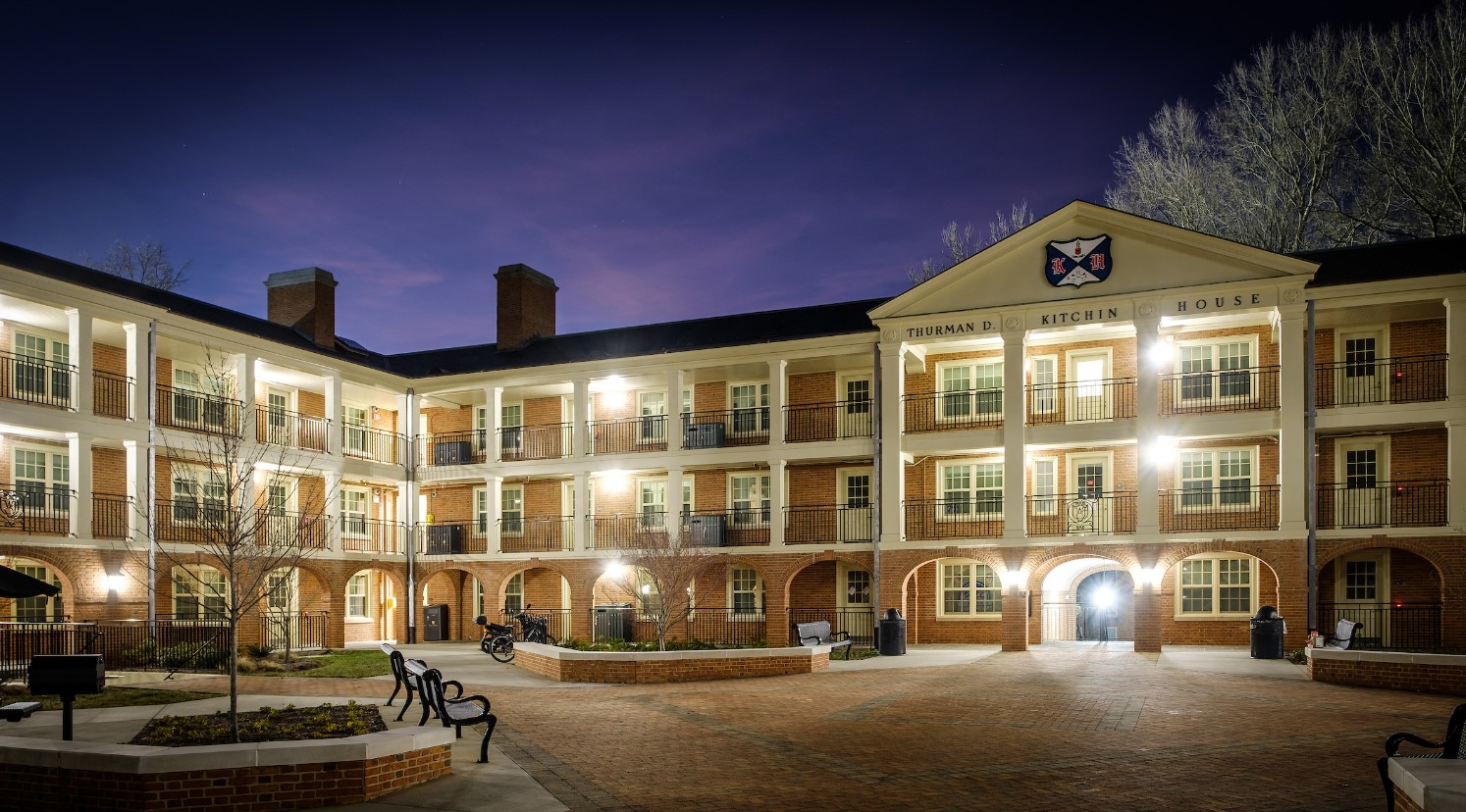
Fire and Life Safety for Residents
All student residents (undergraduate and graduate) must be offered information regarding fire and life safety while residing in campus owned buildings.
Fire Safety in the Office
According to FEMA, there are over 16,500 fires in U.S. offices and retail stores each year. Here are some essential elements in an office fire safety program to help reduce this risk.
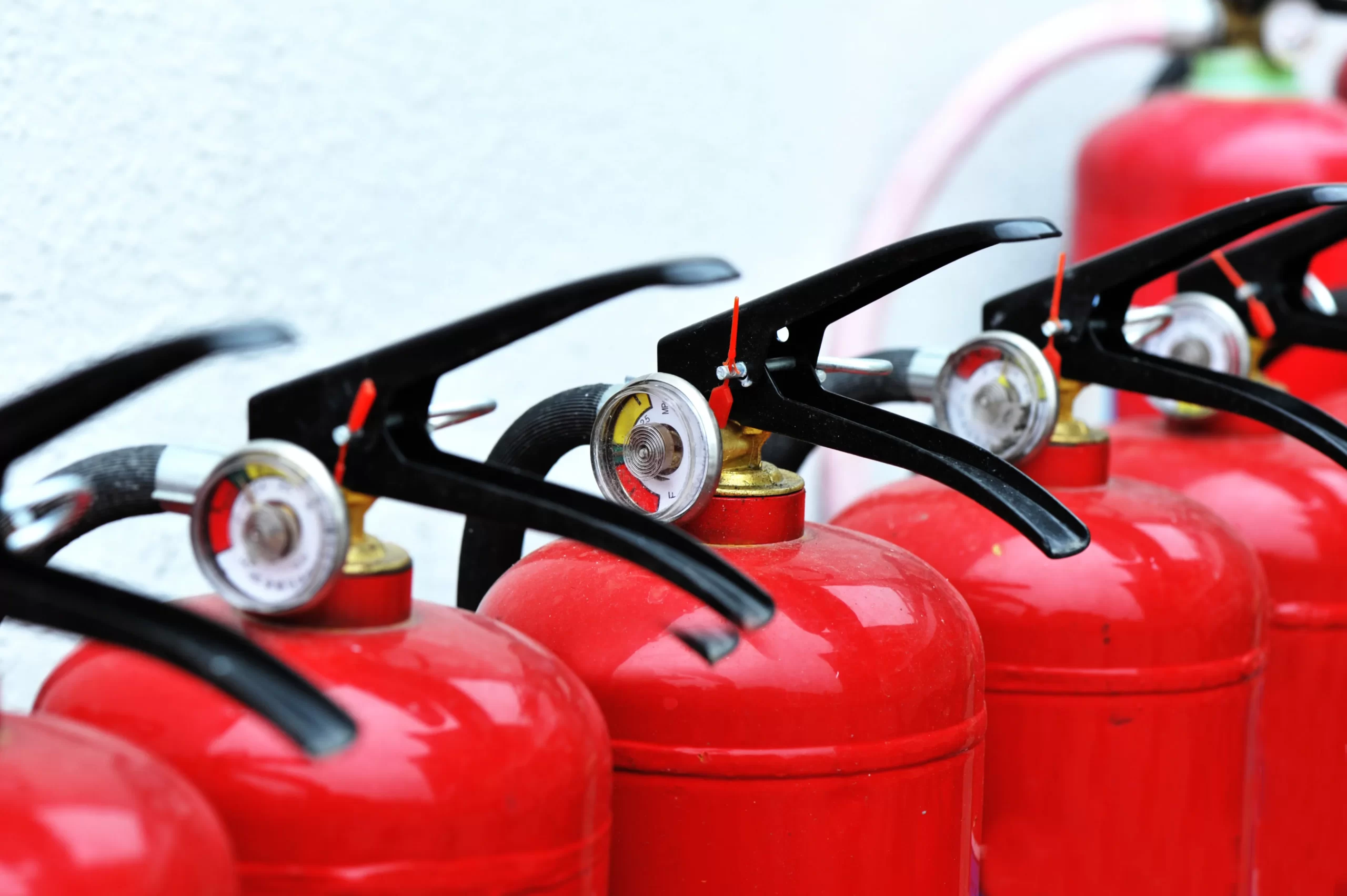
Fire Extinguishers
On a university campus, a fire is never just a fire. It’s a high-stakes environment filled with crowded hallways, complex lab materials, and high-pressure situations. While you’ll see fire extinguishers around, they are secondary tools.
Your primary mission is a safe escape.
Fire System Impairments
Any impairment to building fire and life safety systems requires the completion and signature of an impairment form at least 24 hours prior to the beginning of work.